If you’ve ever wondered what would happen if a regular high schooler got dropped into a Bronze Age world straight out of Norse mythology, The Master of Ragnarok & Blesser of Einherjar manga answers that question with clan warfare, political maneuvering, and a healthy dose of modern-knowledge-versus-ancient-world strategy. The series currently sits at 8 manga volumes in Japan and 7 in English — a manageable read that stands out from the usual fantasy-kingdom fare. If you’re here trying to figure out how many volumes exist, what happens in each one, and where to buy them, you’re in the right place.
For anyone new to the term, isekai is a Japanese word meaning “another world” — it describes stories where a character is transported from their normal life into a different world. It’s one of the most popular genres in manga (Japanese comics), and The Master of Ragnarok puts its own spin on the formula.
Let’s break it all down.
The Master of Ragnarok & Blesser of Einherjar Manga Volumes — Series Overview
The Master of Ragnarok & Blesser of Einherjar (百錬の覇王と聖約の戦乙女) is a manga adaptation of the light novel series of the same name, written by Seiichi Takayama. A light novel is a short Japanese novel, typically illustrated — think of it as the original written version of the story that the manga and anime are based on. The manga is illustrated by chany and published chapter-by-chapter in Comic Fire, a digital manga magazine. In Japan, the series is published by Hobby Japan.
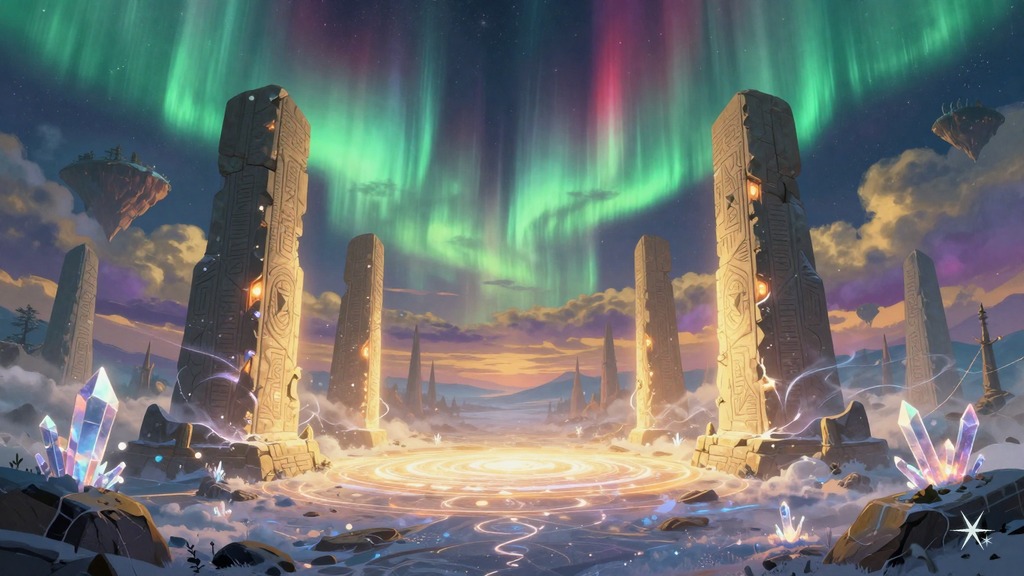
The premise is compelling: Yuuto Suoh, an ordinary junior high school student, is transported to a world resembling the Bronze Age — a historical period thousands of years ago when civilizations relied on bronze tools and weapons. This world is built on the foundations of Norse mythology, the ancient belief system of Scandinavian cultures. Yuuto doesn’t gain magical powers or an overpowered set of abilities. Instead, he has to survive and lead a clan called the Wolf Clan by applying knowledge from the modern world — things like military tactics, metalworking, and political strategy. It’s an isekai series with a distinctly historical-strategy flavor, which sets it apart from many others in the genre.
The manga has been running since October 2015, with a notably slow but steady release schedule. As of the most recent verified data, 8 volumes have been released in Japan, with Volume 8 arriving in November 2025. The series remains ongoing. On the English side, 7 volumes are currently available, putting English readers just one volume behind Japan.
That relatively small gap between the Japanese and English releases is good news — it means English readers are nearly caught up, and future Japanese volumes shouldn’t take too long to arrive in translation.
Volume-by-Volume Story Arcs
One of the nice things about this series sitting at 8 volumes is that it’s very manageable to pick up from the start. Here’s a general roadmap of what to expect as you read through, broken into natural story phases. (When a manga series is grouped into “arcs,” it just means chapters that share a common storyline or theme — similar to seasons of a TV show.)
Volumes 1–2 — Arrival and the Wolf Clan
The series opens with Yuuto’s arrival into a harsh, clan-based world where survival depends on tribal strength and military power. These first two volumes do the heavy lifting of establishing the setting — this isn’t a generic medieval fantasy world. The Bronze Age setting is distinct, with civilizations that rely on early metalwork and tribal organization. The Norse mythology elements aren’t just window dressing, either. They’re woven into the culture, power structures, and belief systems of the people Yuuto encounters.
Yuuto quickly finds himself in a leadership position within the Wolf Clan, and the early chapters focus on him figuring out how to apply modern knowledge to ancient problems. Think less “I’ll invent gunpowder and conquer everyone” and more “How do I improve farming yields and forge better tools so my people don’t starve or get overrun?”
The first rival conflicts also emerge here. Other clans aren’t going to sit back while the Wolf Clan grows stronger under this strange outsider’s leadership. These volumes set the hook — if you enjoy watching a protagonist think their way through problems rather than punch their way through, the opening stretch will pull you in.
Volumes 1 and 2 are also where you’ll meet the key female characters who serve as Yuuto’s generals and sworn warriors — the “Einherjar” of the title. In Norse mythology, Einherjar are warriors chosen by the Valkyries (powerful female figures who decide the fate of battles) to fight in a great hall. In the manga, the term is used for the elite warriors who swear loyalty to Yuuto. The character dynamics established here carry through the rest of the series.
Volumes 3–5 — Clan Expansion and Warfare
This is where the scope of the story expands significantly. Yuuto’s Wolf Clan starts pushing outward, and the political landscape gets more complex. Rival clans aren’t just enemies to defeat — some become potential allies, others shift loyalties, and the web of alliances and betrayals grows more tangled with each volume.
Battlefield tactics become a central focus in this stretch. Yuuto’s modern knowledge gives him an edge, but the manga does a decent job of not making him invincible. His opponents are experienced warriors and cunning leaders in their own right, and the Bronze Age setting means there are real limitations on what “modern knowledge” can accomplish when you don’t have modern infrastructure to back it up.
The Norse mythology framework also deepens through Volumes 3–5. The world’s religious and cultural systems become more detailed, and you start to see how the mythology isn’t just flavor — it shapes the motivations and worldviews of the characters Yuuto is dealing with. For readers who enjoy the intersection of real-world history and mythology with isekai fiction, this is where the series really leans into its strengths.
By Volume 5, the story has evolved from a survival narrative into something closer to a political-military drama. The stakes are higher, the cast is larger, and Yuuto’s position as a leader is both more secure and more precarious at the same time.
Volumes 6–8 — Latest Developments
The most recent volumes continue the political and military drama that the middle arc established, but with escalating stakes. Without spoiling specific plot points, the conflicts grow larger in scale, and the consequences of Yuuto’s decisions — both his successes and his miscalculations — become more significant.
Volume 8, released in Japan in November 2025, is the most recent installment. The series remains ongoing, so this isn’t the conclusion — there’s more story to come.
For English readers, the current endpoint is Volume 7. That means you’re only one volume behind the Japanese release, which is a comfortable place to be. Given the series’ release cadence, it’s reasonable to expect that gap to close or stay narrow as new volumes come out.
One thing worth noting: because the manga’s release schedule has been on the slower side throughout its run, the wait between volumes can feel long. But the trade-off is that each volume tends to cover a solid chunk of story rather than feeling stretched thin.
Light Novel Source and the Anime Adaptation
As mentioned above, the manga is adapted from the light novel series written by Seiichi Takayama. As is typical with these adaptations, the source novels extend further than the manga does. If you read through all 7 (or eventually 8) manga volumes and want more of the story, the light novels are where you’d go to continue.
The series also received a TV anime adaptation (an animated television series) that aired in 2018, which gave it significantly more visibility — especially among international audiences. The anime covered a portion of the story, and many people searching for the manga today probably discovered the series through that adaptation.
If you watched the anime and want to continue in manga form, the anime covered roughly the events of the first couple of volumes. The manga extends well beyond where the anime left off, so there’s plenty of new material waiting for you. Starting from Volume 1 is still recommended even if you’ve seen the anime, since the manga includes details and character moments that the anime condensed or skipped. But if you really want to jump ahead, you could start around Volume 3 to pick up where the anime’s story left off and move into new territory.
For readers who want the most complete version of the story, the light novels are worth considering — they’re the original source material and cover the most ground. The manga offers a visual adaptation that’s great for readers who prefer that format, but it naturally can’t include everything from the novels.
Buying the English Manga Volumes
Currently, 7 English volumes of The Master of Ragnarok & Blesser of Einherjar are available. The English editions are released digitally, so you can read them on any device that supports your preferred e-reading app.
The series is ongoing with 8 Japanese volumes out, so English readers can expect additional volumes to be released as the Japanese publication continues. The one-volume gap between Japanese and English releases is relatively small, which is encouraging for anyone worried about the translation catching up.
If you’re ready to start reading, Volume 1 is the natural entry point — especially if you’re coming in fresh or transitioning from the anime. The digital format means you can grab it instantly without waiting for shipping, and you can work through the series at your own pace.
For those looking to pick up the latest available English volume, Volume 7 is the most recent English release.
The Master of Ragnarok & Blesser of Einherjar
Prices for digital manga volumes tend to stay close to the publisher’s list price, though sale pricing can vary during major seasonal promotions at retailers.
One practical tip: if you’re new to buying digital manga, most platforms let you read a preview of the first few pages before purchasing. That’s a good way to check whether the art style clicks with you before committing to the full series.
Frequently Asked Questions
How many manga volumes does The Master of Ragnarok & Blesser of Einherjar have?
There are 8 volumes in Japanese and 7 volumes in English as of the latest verified data. Volume 8 was released in Japan in November 2025, and the English release trails by one volume.
Is the manga still ongoing?
Yes. The series remains ongoing. With Volume 8 being the most recent Japanese release, more volumes are expected in the future.
Is there an anime adaptation?
Yes. A TV anime adaptation aired in 2018. It covers a portion of the story, and the manga extends well beyond what the anime adapted. If you enjoyed the anime and want more, the manga (and the source light novels) are your best options.
Should I read the manga or the light novel?
It depends on what you prefer. The light novels are the original source material and cover the most story content. The manga gives you a visual adaptation with chany’s artwork, which brings the Bronze Age Norse setting to life in a way that written descriptions can’t. If you’re a manga-first reader, start with the manga — you can always pick up the novels later if you want to go deeper into the story. If you want the most complete experience from the start, the light novels are the way to go.
Is this series good for beginners?
It’s a solid pick if you’re interested in isekai (transported-to-another-world stories) that lean toward strategy and historical or mythological settings rather than pure fantasy action. The Bronze Age Norse mythology angle gives it a distinctive feel compared to the more common medieval-fantasy isekai series. At 7–8 volumes, it’s also a manageable commitment — you won’t need to clear your schedule for months to get caught up.